
 Photoshop
 Maya
Maya ZBrush
 Houdini
 Substance Painter
 Blender
 Unreal Engine
 Arnold
 Nuke
Nuke KeyShot
 V-Ray
V-Ray Marmoset Toolbag
 Mari
Mari Marvelous Designer
 Substance Designer
 3ds Max
 3DCoat
 Redshift
 Faceform Wrap
 Lightroom
 After Effects
 OctaneRender
 SpeedTree
 Daz 3D
 Agisoft Metashape
 Fusion
 Modo
Modo RealityCapture
 Gaea
Gaea Cinema 4D
 Gravity Sketch
 Premiere
 Procreate
 Clip Studio Paint
 SketchUp
 SketchBook
 Katana
 Natron
 Mudbox
 Quixel Bridge
 Quixel Megascans
 Quixel Mixer
 Substance 3D Modeler
 World Creator
 Yeti
Yeti Ziva VFX
 Mixamo
 Adobe Medium
 Quixel DDO
 xNormal
 Meshmixer
 Storyboard Pro
 DaVinci Resolve
 TreeIt
 World Machine
 Gaffer
 Corel Painter
 SynthEyes
 Krita
Krita Massive
 Materialize
 Unity
Unity Ornatrix
 PreForm
 Moi 3D
 animBot
 QuickTime
 ReCap
ReCap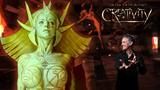















20 Lessons
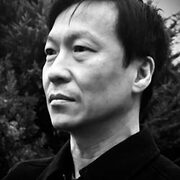
In this workshop, John Brown continues from Volume 5, focusing on female figure modeling. Beyond technical instruction, the lessons aim to develop the sculptor’s ability to self-critique and analyze their work, fostering a transition from guided learning to independent artistic confidence.
Duration: 1m 57s

In this lesson, John highlights that conceptual development and planning are essential prerequisites for successful artistic creation across all disciplines. Whether sculpting, writing, painting, or building, investing time in research and ideation before beginning the physical work dramatically improves outcomes. While flexibility during the creative process is valuable, starting with a solid, well-researched concept provides the foundation necessary for artistic success.
Duration: 2m 5s

In this lesson, John covers the concepts of rhythm, gesture, and balance, in regards to sculpture and the human form. John explains that by recognizing how the body naturally distributes weight around a central vertical axis, artists can construct poses that feel grounded and realistic. This foundational principle, borrowed from construction trades, provides a systematic approach to evaluating and creating balanced compositions in sculpture and drawing.
Duration: 1m 47s

In this lesson, John highlights the importance of understanding plumb and balance when it comes to how to pose a sculpture's armature. By ensuring the plumb line runs correctly through the center of the body and recognizing that certain body elements, like shoulders and pelvis remain rigid, John demonstrates how to create pieces with inherent strength and realistic poses that maintain their integrity.
Duration: 32s

In this lesson, John approaches figure sculpture by establishing simplified bony landmarks first. He encourages artists to see the body aesthetically rather than clinically. By learning abbreviated shapes and their spatial relationships, he demonstrates how to accelerate their learning curve and achieve better results more quickly.
Duration: 7m 36s

In this lesson, John provides a practical technique for accurately drawing the ribcage by identifying its apex and applying the two-thirds proportion rule. By using a straight edge to find the apex and understanding that most of the ribcage mass sits above this point, he creates a more anatomically correct figure.
Duration: 1m 9s

In this lesson, John emphasizes observation skills, teaching artists to analyze spatial relationships and compare them to anatomical references. By combining methodical form blocking with simplified shape analysis, he encourages self-sufficiency in identifying and correcting errors, creating a strong foundation for adding anatomical detail later.
Duration: 7m 7s

In this lesson, John stresses that mastering the curved nature of the human body's outline is a critical skill for success. His approach emphasizes repetition and visual demonstration as tools for memorizing and ingraining this knowledge, allowing artists to naturally apply these principles in their work without having to actively think about them.
Duration: 34s

In this lesson, John provides sculptors with a systematic method for understanding and reproducing anatomical curves by breaking them into fundamental geometric components. By mastering these rudiments early in the sculpting process, artists gain the ability to self-correct, compose with confidence, and eventually manipulate natural forms for dramatic effect.
Duration: 5m 40s

In this lesson, John focuses on a few areas of the body, emphasizing that successful figure sculpture relies on understanding underlying anatomical structure, analyzing complex curves as a series of simpler lines, and maintaining awareness of the sculpture's silhouette from all angles. His approach of blocking in forms with strong lines before refining, combined with constant rotation and distance viewing, helps artists avoid common pitfalls like static poses and anatomically incorrect proportions.
Duration: 22m 54s

In this lesson, John focuses on the hands; he points out how they can help to convey character, personality, and emotion quickly and efficiently, but when combined with the rest of the body, they can convey so much through pose and gesture.
Duration: 5m 41s

This lesson emphasizes that successful figure sculpting during the refinement phase requires balancing surface detailing with structural preservation. John shows how to simplify complex anatomy into manageable shapes (like triangles) while respecting curves, negative space, and the relationship between muscle and bone. By maintaining the strong silhouette established during blocking-out and continuously checking proportions from multiple angles, he demonstrates how to achieve anatomically accurate and visually appealing results.
Duration: 8m 30s

In this lesson, John starts to work on the head, discussing the understanding fundamental skull anatomy, particularly the differences between male and female proportions and the common mistake of incorrectly placing the nose bridge too high. With careful attention to anatomical landmarks and underlying skeletal structure, artists can ensure the head structure is correct before adding any surface details.
Duration: 3m 27s

This lesson covers scuplting the mouth. Adding clay to build up the lips, John shows how sculptors should work subtractively by manipulating existing clay, while keeping in mind that the mouth curves around a horseshoe-shaped jaw structure, not across a flat surface.
Duration: 4m 13s

In this lesson, John demonstrates sculpting the nose, highlighting its complexity and the subtle differences between male and female features. By studying underlying structure and observing carefully, artists learn to understand spatial relationships across the face and see features accurately from all angles.
Duration: 5m 42s

In this lesson, John focuses on sculpting ears, encouraging artists to practice these elements at larger scales using strong reference. By identifying weaknesses and addressing them systematically, this approach helps artists build proficiency in any challenging aspect of their work.
Duration: 2m 36s

In this lesson, John works on sculpting the eyes. He demonstrates how to create a convincing female face by observing and replicating the subtle differences from male features, such as softer contours, larger spaces between facial elements, and upward-tilting features. He demonstrates that by working holistically, using good reference material, and focusing on accurate observation, sculptors can achieve professional results with basic tools and practice.
Duration: 13m 3s

In this lesson, John works on the delicate fingers of the character. His process of working systematically around the entire piece while preserving bold outlines, ensures the sculpture communicates effectively from a distance. The refinement stage transforms rough blocked forms into polished anatomy appropriate for the subject.
Duration: 10m 9s

In this lesson, John creates form-fitting clothing by defining edges rather than creating entirely new forms. By preserving the underlying anatomy and focusing on fabric borders, he demonstrates how to create convincing clothing while maintaining the sculptural integrity of the figure beneath.
Duration: 15m 10s

In this final lesson, John demonstrates professional finishing techniques that transform rough forms into polished sculptures. He emphasizes establishing surface quality suited to the work’s purpose and personal style, maintaining strong visual lines, understanding anatomy, and knowing when to stop refining to achieve technical precision without overworking the piece.
Duration: 9m 29s

Skills Covered
Who’s this Workshop for?
This workshop is designed for intermediate to advanced sculptors and artists who want to master the female form, anatomically, through sculpture. It'll be of particular value to character designers in the entertainment industry who want to create compelling characters and explore dynamic poses with accurate anatomy.
Concept artists and hobbyist sculptors interested in character sculpture will find John Brown's lessons a great starting point for their work. The workshop's emphasis on developing analytical skills and style makes it ideal for artists looking to improve their work and gain confidence in sculpting characters with professional-level execution.
Learning Outcomes
By completing this workshop, artists will have mastered essential techniques for sculpting anatomically accurate, stylistically compelling female characters in fantasy settings.
Key skills include:
- How to analyze and translate concept sketches into three-dimensional sculptural forms effectively.
- How to identify and apply the seven major anatomical differences between male and female figures.
- How to sculpt form-fitting clothing, boots, helmets, and accessories with a realistic fit.
- How to establish proper gesture, balance, and dynamic poses in female character sculptures.
- How to develop critical observation skills for identifying and correcting anatomical mistakes independently.
- How to extrapolate anatomical forms while maintaining fundamental proportions and structural integrity.
- How to build personal artistic style while adhering to foundational anatomy principles.


