
 Photoshop
 Maya
Maya ZBrush
 Houdini
 Substance Painter
 Blender
 Unreal Engine
 Arnold
 Nuke
Nuke KeyShot
 V-Ray
V-Ray Marmoset Toolbag
 Mari
Mari Marvelous Designer
 Substance Designer
 3ds Max
 3DCoat
 Redshift
 Faceform Wrap
 Lightroom
 After Effects
 OctaneRender
 SpeedTree
 Daz 3D
 Agisoft Metashape
 Fusion
 Modo
Modo RealityCapture
 Gaea
Gaea Cinema 4D
 Gravity Sketch
 Premiere
 Procreate
 Clip Studio Paint
 SketchUp
 SketchBook
 Katana
 Natron
 Mudbox
 Quixel Bridge
 Quixel Megascans
 Quixel Mixer
 Substance 3D Modeler
 World Creator
 Yeti
Yeti Ziva VFX
 Mixamo
 Adobe Medium
 Quixel DDO
 xNormal
 Meshmixer
 Storyboard Pro
 DaVinci Resolve
 TreeIt
 World Machine
 Gaffer
 Corel Painter
 SynthEyes
 Krita
Krita Massive
 Materialize
 Unity
Unity Ornatrix
 PreForm
 Moi 3D
 animBot
 QuickTime
 ReCap
ReCap














19 Lessons
Duration: 28s

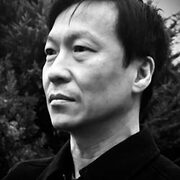
In this first lesson, John Brown outlines what viewers can expect from the workshop, emphasizing its focus on practical sculpting process rather than comprehensive human anatomy. He explains that successful sculpture relies on foundational anatomical knowledge developed through independent study and drawing, and that the workshop builds on this foundation by teaching the techniques and methodology behind effective character sculpture.
Duration: 41s

In this lesson, John demonstrates how to set up an efficient sculpting workspace, including clay warming systems, proper lighting, and a rotating stand. He also explains how to select and prepare oil-based clay for optimal working conditions throughout the sculpting process.
Duration: 9m 3s

This lesson covers the complete toolkit John uses for maquette sculpture, clearly demonstrating which tools correspond to specific techniques. By explaining the progression from coarse to fine tools, he helps artists better observe the process and understand how professional sculpting results are achieved.
Duration: 8m 51s

In this quick lesson, John emphasizes the importance of proper planning before beginning physical sculpture work. By blocking in simplified skeletal forms on reference drawings first, artists create measurable guides that ensure accurate proportions when building the actual maquette.
Duration: 2m 47s

In this lesson, John begins blocking clay onto the armature, working loosely to establish basic forms while constantly rotating the piece and checking anatomical relationships. He emphasizes that true speed comes from understanding key anatomical curves and arcs, allowing accurate proportions to be set quickly through repeated practice.
Duration: 12m 23s

In this lesson, John highlights the importance of verifying measurements throughout the sculpting process. By checking dimensions with calipers against the armature map before adding detail, artists can maintain accurate proportions and avoid time-consuming corrections later on.
Duration: 50s

This lesson focuses on establishing the sculpture’s underlying skeletal structure before adding muscle and detail. John demonstrates a methodical approach that balances speed with accuracy, relying on anatomical reference and careful attention to the framework to create a strong foundation for all subsequent detailing.
Duration: 2m 17s

In this lesson, John illustrates the importance of maintaining key structural landmarks, while still working loosely to block in muscles and soft tissue from multiple angles. By keeping the work representational and sketch-like during this phase, John can focus on accurate proportions and anatomical relationships before refining details later.
Duration: 7m 5s

In this lesson, John moves on to sculpting the human head, explaining the modular design of his armature and how removing components like the head or arm allows for flexible posing and focused work. He also introduces the foundational principles of facial planes and facial draft, which contribute to strong, visually compelling anatomy.
Duration: 13m 4s

This lesson emphasizes balancing detailed work on individual components with frequent evaluation of the sculpture as a whole. John demonstrates how to remove and reattach parts using an alcohol torch, enabling efficient refinement of complex details while preserving structural integrity.
Duration: 2m 32s

Demonstrating the iterative nature of sculpture in this lesson, John works on the head on its own. John's practical techniques, from clay temperature management to tool selection, show how successful sculpting combines artistic vision with technical problem-solving.
Duration: 5m 42s

In this lesson, John describes his methodical, building-block approach to sculpting intricate anatomical features, like hands and feet. By breaking complex forms into simple segments, using appropriate clay hardness for the scale of work, and constantly viewing the piece from multiple angles, he achieves refined results efficiently.
Duration: 14m 44s

In this lesson, John discusses the concept of symmetry in regards to human anatomy and some assumptions around it. By drawing centerlines through their work, he demonstrates how artists can more accurately observe and replicate the subtle asymmetries and tissue distribution patterns found in human limbs, ultimately creating more anatomically accurate and realistic sculptures. This simple but effective method provides a concrete visual guide for clay placement during the modeling process.
Duration: 2m

In this lesson, John focuses on refining the sculpture’s silhouette and overall outline, using backlighting to study it as a two-dimensional shape. This approach helps identify structural issues more clearly, ensuring strong, readable forms that hold up in any lighting condition.
Duration: 2m 32s

In this lesson, John shares his best practices for sculpting, emphasizing patience, time investment, anatomical understanding, and selecting the right tools, such as rakes, for each stage. He highlights the importance of continuous practice, learning from every piece, and regularly stepping back to evaluate form, including using photography to spot errors.
Duration: 17m 43s

In this lesson, John continues to refine the sculpture using solvents and brushes. The key is experimenting with different solvents to find what works best for your clay type, progressing systematically from coarse to fine brushes, and exercising restraint to avoid destroying your previous work. This technique can create beautiful secondary forms and transitions while maintaining the sculpture's loose, artistic quality.
Duration: 5m 43s

This lesson highlights John’s iterative refinement workflow, balancing technical precision with organic spontaneity. He emphasizes that excellent sculpture requires patience, repeated refinement, and strategic use of both traditional tools and unconventional methods like torch melting. Success relies on high-quality reference and the willingness to repeat processes until achieving naturally irregular, lifelike details.
Duration: 10m 4s

In this concluding lesson, John addresses the realistic time commitment involved in creating a sculpture of this caliber and encourages artists to apply the skills they've learned to complete remaining details independently. With the sculpture finished, the next step is preparing the model for the molding and casting phase.
Duration: 2m 8s

Skills Covered
Who’s this Workshop for?
This workshop is intended for sculptors of all skill levels who want to master the foundational art of maquette creation. Whether you're a beginner learning proper technique or an experienced artist looking to refine your skills, this comprehensive approach, guided by John Brown's systematic methodology, ensures high-quality results.
The workshop's emphasis on efficiency and quality control makes it particularly valuable for artists working on commissioned pieces or those preparing for larger sculptural projects. Although these lessons focus less on anatomy and more on the maquette, art students, professional sculptors, and hobbyists will benefit from this approach to small-scale modeling.
Learning Outcomes
By completing this workshop, artists will gain a full experience of creating a maquette, from initial armature construction to final finishing techniques.
Key skills include:
- How to construct clean, stable armatures that support the entire sculpting process effectively.
- How to apply preliminary sculpting techniques that establish proper proportions and basic forms.
- How to develop intermediary skills for refining details while maintaining structural integrity throughout.
- How to implement post-sculpture processes, including surface finishing and quality assessment methods.
- How to integrate narrative theory concepts into practical sculptural decision-making and artistic expression.
- How to establish efficient workflows that maximize both creative output and technical precision.
- How to troubleshoot common maquette problems and adapt techniques for different sculptural styles.


