
 Photoshop
 Maya
Maya ZBrush
 Houdini
 Substance Painter
 Blender
 Unreal Engine
 Arnold
 Nuke
Nuke KeyShot
 V-Ray
V-Ray Marmoset Toolbag
 Mari
Mari Marvelous Designer
 Substance Designer
 3ds Max
 3DCoat
 Redshift
 Faceform Wrap
 Lightroom
 After Effects
 OctaneRender
 SpeedTree
 Daz 3D
 Agisoft Metashape
 Fusion
 Modo
Modo RealityCapture
 Gaea
Gaea Cinema 4D
 Gravity Sketch
 Premiere
 Procreate
 Clip Studio Paint
 SketchUp
 SketchBook
 Katana
 Natron
 Mudbox
 Quixel Bridge
 Quixel Megascans
 Quixel Mixer
 Substance 3D Modeler
 World Creator
 Yeti
Yeti Ziva VFX
 Mixamo
 Adobe Medium
 Quixel DDO
 xNormal
 Meshmixer
 Storyboard Pro
 DaVinci Resolve
 TreeIt
 World Machine
 Gaffer
 Corel Painter
 SynthEyes
 Krita
Krita Massive
 Materialize
 Unity
Unity Ornatrix
 PreForm
 Moi 3D
 animBot
 QuickTime
 ReCap
ReCap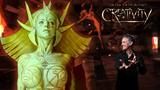














19 Lessons
Duration: 1m 28s

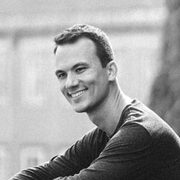
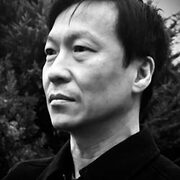
In this advanced workshop, John Brown demonstrates the tools and techniques he uses to sculpt a full-scale, lifelike model. Building on his previous maquette-focused workshop, he introduces specialized texturing tools and methods designed for larger-scale work, guiding artists through the processes needed to achieve realistic, professional-quality sculptures.
Duration: 1m 26s

In this lesson, John demonstrates a practical, safety-conscious approach to building a sculpture armature for a large-scale model. By properly wire-wrapping main structures and securing sharp edges, he ensures a stable foundation that makes clay application safer and more effective while avoiding common hazards.
Duration: 6m 19s

In this lesson, John explains the concept of maquettes, where artists begin with small, rough models before committing to full-scale sculpture. These third-scale maquettes allow for experimentation, idea communication, client approval, and compositional problem-solving, forming an essential workflow for professional sculptors, especially in the entertainment industry.
Duration: 2m 41s

In this lesson, John works on his full-size model, emphasizes the importance of proper preparation and technique when working at this size. By using warmed, softened clay and space-saving techniques with aluminum foil, he can make this time-intensive process of building up a sculpture armature more efficient and manageable. Patience is essential, as the initial blocking stage requires several hours before the piece begins to resemble the intended form.
Duration: 2m 10s

Looking at the concept maquette, John measures and converts the scale for the full-scale model he plans to make. By using calipers and simple multiplication based on the chosen scale ratio, artists can maintain precise proportions and ensure their final piece matches the original maquette design. Measuring in this way is an essential skill needed for creating consistent, professionally proportioned sculptures.
Duration: 32s

In this lesson, John emphasizes that investing time in learning human anatomy, particularly the curves, arcs, and proportions that define facial features, allows for efficient, confident clay placement. By working systematically across the entire piece, using proper measurement scaling techniques, and understanding the progression from primary to secondary to tertiary forms, John shows how sculptors can create professional character work suitable for digital scanning and animation.
Duration: 16m 9s

In this lesson, John demonstrates how to create realistic, organic sculptures using intentional asymmetry and careful reference study. By building texture through secondary forms and understanding how flesh naturally moves, he shows how to achieve lifelike, characterful results suitable for both practical effects and digital applications.
Duration: 9m 16s

In this lesson, John demonstrates a refinement process that balances unity and variation in form. Using an alcohol torch, he softens and connects elements while preserving organic texture, complemented by paddles and spatulas to enhance areas treated by the torch, resulting in visually interesting, characterful sculptures.
Duration: 2m 4s

In this lesson, John adds texture and detail while respecting the sculpture’s underlying forms, working along natural anatomical structures. He highlights subtle technical choices, like lighting and wrinkle direction, that transform a sculpture from mechanical to organic and lifelike.
Duration: 6m 5s

In this lesson, John emphasizes the iterative process, showing how multiple passes with varied tools help avoid overly symmetrical or artificial details. Focusing on the forehead, he demonstrates how observing wrinkle formation and the interaction between skin and bone can create convincingly lifelike results.
Duration: 12m 44s

In this lesson, John sculpts the horns, combining heat manipulation, unconventional tools, and deliberate asymmetry to achieve convincing organic forms. He emphasizes working from reference rather than imagination, reinforcing that successful sculpture relies on careful observation, replication, and interpretation of reality.
Duration: 3m 54s

This lesson looks at John's method for creating realistic skin texture in sculpture. Understanding how skin behaves across different facial forms, tightening in creases and expanding over broader areas, while maintaining organic, non-symmetrical patterns is key to achieving the right look. By combining hand-detailing techniques with various solvents and blending tools, John is able to achieve this skin texture, enhancing the character's realism.
Duration: 18m 23s

In this lesson, John demonstrates how to refine surface details naturally, applying texture according to anatomical movement and avoiding repetitive patterns. Through disciplined addition and removal of clay, he shows how patience at this stage elevates the sculpture to a professional standard.
Duration: 6m 51s

In this lesson, John demonstrates best practices for applying cross-hatching detail to a character sculpture. He shows how to gradually build texture using various tools, with cellophane and water to modulate intensity, and encourages experimentation with unconventional tools; all while maintaining anatomical accuracy in texture placement.
Duration: 7m 5s

In this lesson, John demonstrates techniques for creating realistic pore texture in character sculpture. Achieving professional results involves multiple passes with different tools, careful blending and softening, and attention to the natural directional flow of facial anatomy
Duration: 7m 16s

In this lesson, John shows that lifelike results come from meticulous attention to detail, strategic use of water for polishing, and knowing when to preserve natural imperfections. Repeated refinement ensures textures appear organic rather than artificial.
Duration: 5m 9s

In this lesson, John demonstrates an efficient workflow for sculpting large, hard clay horns. By using heat to temporarily soften the material and combining it with directional tool work, he shows how to add realistic texture and detail more quickly, while managing solvent drying time for optimal results.
Duration: 3m 13s

In this final lesson, John demonstrates applying tertiary details, including veins, wrinkles, and subtle skin textures. He emphasizes the importance of studying real anatomy and using quality reference, noting that creating convincing, realistic sculptures requires a patient, detail-oriented approach grounded in observation and careful execution.
Duration: 9m 32s

Skills Covered
Who’s this Workshop for?
This workshop is aimed at intermediate to advanced clay sculptors looking to master full-scale head sculpting with professional-level detail. It's ideal for character artists, makeup effects sculptors, and digital artists who want to enhance their traditional sculpting skills for film, gaming, practical, or collectibles production.
John Brown’s lessons offer valuable insights into industry-standard practices for creating realistic facial features and preparing sculptures for digital workflows, making them especially valuable for anyone pursuing a professional sculpting career. Sculptors just getting started should have basic modeling experience, as they will find it easiest to learn from these comprehensive demonstrations and step-by-step techniques.
Learning Outcomes
By completing this workshop, artists will have gained masterful insight into the complete process of creating detailed, full-scale head sculptures ready to fit into many different pipelines.
Key skills include:
- How to construct proper armatures that support full-scale head sculpture development effectively.
- How to scale up from concept maquettes to full-size sculptures with accurate proportions.
- How to sculpt realistic facial features using advanced secondary and tertiary form techniques.
- How to create convincing surface details, including wrinkles, skin texture, pores, and veins.
- How to approach complex anatomical elements like ears and horns with professional precision.
- How to prepare sculptures for digitization while maintaining optimal detail and form quality.


