
 Maya
Maya ZBrush
 Houdini
 Substance Painter
 Blender
 Unreal Engine
 Arnold
 Nuke
Nuke KeyShot
 V-Ray
V-Ray Marmoset Toolbag
 Mari
Mari Marvelous Designer
 Substance Designer
 3ds Max
 3DCoat
 Redshift
 Faceform Wrap
 Lightroom
 After Effects
 OctaneRender
 SpeedTree
 Daz 3D
 Agisoft Metashape
 Fusion
 Modo
Modo RealityCapture
 Gaea
Gaea Cinema 4D
 Gravity Sketch
 Premiere
 Procreate
 Clip Studio Paint
 SketchUp
 SketchBook
 Katana
 Natron
 Mudbox
 Quixel Bridge
 Quixel Megascans
 Quixel Mixer
 Substance 3D Modeler
 World Creator
 Yeti
Yeti Ziva VFX
 Mixamo
 Adobe Medium
 Quixel DDO
 xNormal
 Meshmixer
 Storyboard Pro
 DaVinci Resolve
 TreeIt
 World Machine
 Gaffer
 Corel Painter
 SynthEyes
 Krita
Krita Massive
 Materialize
 Unity
Unity Ornatrix
 PreForm
 Moi 3D
 animBot
 QuickTime
 ReCap
ReCap



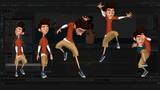












Learn the art of storyboarding with this drawing-intensive workshop by Rembert Montald, a storyboard artist at Riot Games. In this 3.5-hour workshop, Rembert shares his process for creating and choreographing a visually pleasing storyboard from scratch, from the initial drawing through to an animatic of the final sequence.
Using a fight sequence as the story, Rembert teaches how to lead the eye through your shots, and details his various shorthand techniques for detailing characters and action poses quickly and effectively.
This workshop is intended for anyone with an interest in storyboarding, visual storytelling, and drawing. The lessons taught are aimed at intermediate and expert-level artists and aim to prove industry insights for those working in games and films, including techniques for pacing yourself, setting the expectations, and understanding working standards.
By completing this workshop, you’ll have a complete understanding of Rembert’s method for boarding a sequence including how to turn it into an animatic that can be presented to a director.
Included with this workshop are Rembert’s working files, including a PSD with full boards and his 4 PSD animatic files for you to dissect and better understand his approach. JPGs are also provided to show the various storyboard sheets.
11 Lessons
This workshop establishes a Photoshop-based Layer Comp system that provides flexibility for managing complex animations across multiple files while maintaining organized exports. Rembert Montald highlights the time required for quality animation work and sets realistic expectations before demonstrating actual drawing techniques.
Duration: 5m 47s

This lesson emphasizes a storyboarding workflow that focuses on efficiency and adaptability over perfection during the blocking phase. By working loosely with simple shapes and focusing on pacing, Rembert demonstrates a practical approach to creating dynamic action sequences. Artists should be aware that capturing movement and maintaining creative momentum matter more than polished drawings during these early stages.
Duration: 26m 19s

This lesson emphasizes that creating compelling storyboards is about capturing energy and movement. The process requires patience, anatomical knowledge, and an understanding of animation principles. Most importantly, the work should be driven by the enjoyment of drawing and a commitment to daily improvements, with style developing naturally through studying artists you admire rather than forcing originality.
Duration: 57m

This lesson shows that the rough stage is the most critical and difficult part of the process of creating animatics, requiring discipline to resist adding detail prematurely. Keeping drawings loose and organized in a simple layer structure, artists can easily identify and correct timing and movement issues. Constant review and refinement at this stage saves significant time later, as cleanup becomes straightforward once the animation mechanics are working correctly.
Duration: 7m 53s

In this lesson, Rembert provides an honest look at storyboarding, where constant refinement and adjustment are part of the creative process. His willingness to show mistakes and explain problem-solving approaches makes this lesson particularly valuable for learning artists. The focus on smooth transitions, varied camera work, and clear spatial relationships demonstrates professional-level thinking, with a learning-focused attitude, and proves that animation mastery is an ongoing journey regardless of experience level.
Duration: 14m 14s

This video provides a behind-the-scenes look at professional animation workflow, revealing a messy process that requires patience and constant revision. Rembert notes that the gratification of creating moving images outweighs the tedious work involved.
Duration: 14m 30s

This lesson covers the final rough pass, providing a look at professional storyboarding techniques that prioritize speed, clarity, and impact. Montald’s philosophy centers on creating snappy, effective action sequences using simple shapes and shot composition that maintain flexibility to revise and adjust throughout the process.
Duration: 9m 56s

This lesson provides further valuable insight into the process of creating animatics, as Rembert talks honestly about mistakes, corrections, and creative problem-solving. Creating animatics requires patience, practice, and faith in the process. Rather than seeking perfection in individual frames, artists should focus on the overall movement, timing, and storytelling of the sequence.
Duration: 30m 23s

This lesson demonstrates that creating an effective fight animatic requires both technical skill and strategic planning. Rembert shows that successful action sequences require an understanding of anatomy and timing, and camera work that conveys energy. Artists should keep in mind that animation is an exaggerated performance art; amplifying reference material with proper technique and physical principles creates compelling, dynamic action that feels both realistic and exciting.
Duration: 25m 37s

This lesson covers the final cleaning and assembly process. Once more, Rembert gives an honest, unfiltered look at professional animation workflow, discussing mistakes, revisions, and struggles. His willingness to show challenges demonstrates that experienced creators work through problems and don’t get everything right initially.
Duration: 26m 42s

This lesson covers an important milestone in the animation workflow, transitioning from static storyboard drawings to a moving animatic. Although the current level of detail may seem low, it is professionally acceptable, and the primary goal has been achieved. Artists should appreciate the progress made while looking forward to potential refinement in future lessons.
Duration: 1m 43s

Primary tools
For this workshop you’ll need:

* Note that these programs and materials will not be supplied with the course.
Project Files
When you download the workshop files, you'll get access to Rembert Montald's complete storyboarding and animatic workflow for creating dynamic action sequences. Inside, you'll find:
- Photoshop project files (.psd) – The original layered storyboard files and animatic compositions that artists can edit and explore
- Animatics & storyboards (.jpg, .psd) - Over 300 sequential images showing every frame of the animatics and storyboards for reference
- Finished animatic video (.mp4) - The completed animation showing timing, pacing, and camera movements - The instructor provides these files to give artists hands-on practice as they follow the demonstrated workflow. –
Skills Covered
Who’s this Workshop for?
This workshop is designed for intermediate to expert-level artists seeking industry-standard storyboarding techniques. Game developers, film professionals, and visual storytellers looking to refine their boarding skills will find Rembert Montald's experience valuable for understanding professional workflows and expectations.
Aspiring storyboard artists and illustrators interested in breaking into games or film will benefit from learning these proven industry methods. The workshop provides insider knowledge of professional pacing, client expectations, and working standards, making it invaluable for career advancement.
Learning Outcomes
By completing this workshop, artists will have mastered Rembert Montald's complete storyboarding process from initial sketches through polished animatics ready for director presentation.
Key skills include:
- How to choreograph visually compelling sequences using professional storyboarding techniques and composition principles.
- How to lead the viewer's eye effectively through shots using strategic framing and visual flow.
- How to utilize shorthand techniques for rapidly sketching characters and dynamic action poses.
- How to pace sequences appropriately while meeting deadlines and production standard expectations.
- How to transform static storyboards into professional animatics suitable for client and director presentations.
- How to organize and present storyboard work using industry-standard file formats and documentation methods.


