
 Photoshop
 ZBrush
 Houdini
 Substance Painter
 Blender
 Unreal Engine
 Arnold
 Nuke
Nuke KeyShot
 V-Ray
V-Ray Marmoset Toolbag
 Mari
Mari Marvelous Designer
 Substance Designer
 3ds Max
 3DCoat
 Redshift
 Faceform Wrap
 Lightroom
 After Effects
 OctaneRender
 SpeedTree
 Daz 3D
 Agisoft Metashape
 Fusion
 Modo
Modo RealityCapture
 Gaea
Gaea Cinema 4D
 Gravity Sketch
 Premiere
 Procreate
 Clip Studio Paint
 SketchUp
 SketchBook
 Katana
 Natron
 Mudbox
 Quixel Bridge
 Quixel Megascans
 Quixel Mixer
 Substance 3D Modeler
 World Creator
 Yeti
Yeti Ziva VFX
 Mixamo
 Adobe Medium
 Quixel DDO
 xNormal
 Meshmixer
 Storyboard Pro
 DaVinci Resolve
 TreeIt
 World Machine
 Gaffer
 Corel Painter
 SynthEyes
 Krita
Krita Massive
 Materialize
 Unity
Unity Ornatrix
 PreForm
 Moi 3D
 animBot
 QuickTime
 ReCap
ReCap


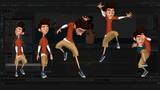











Less is more in the world of realistic animation for film. Subtle character performance is a unique challenge in character animation for movies, requiring a light touch and an understanding of the psychology of a character as well as how that translates to their tics and mannerisms.
In this tutorial, Lead Animator Ted Lister takes you through his workflow and the decisions he makes as he animates an understated and naturalistic performance piece based on dialogue from Horror Express. The selected dialogue has many opportunities for acting to the subtext rather than to the literal dialogue, and provides an opportunity for the character to have an internal monologue, while also featuring some gear changes along the way.
Using Kiel Figgins' Sicarius rig, Ted takes you through his various steps, from preparation and blocking to breathing and final polish — even covering some camera animation to frame the acting. Detailing both Ted’s specific workflow and discussing his broader concepts, this tutorial provides a comprehensive view of animating a subtle yet impactful character animation shot; one that is sure to resonate with audiences while maintaining the illusion that this character rig is living, breathing, emoting and real.
This 4+ hour workshop assumes basic knowledge of Maya — although animation is universal, so the core concepts should carry over to the 3D package of your choice. Likewise, the concepts demonstrated in this tutorial are not rig specific, and can be applied to any rig that has a facial setup; cartoony, realistic or otherwise. Basic understanding of animation and associated terms is also assumed; it’s recommended that you have successfully animated a really good bouncing ball before tackling the concepts presented in this tutorial.
Vol. 1 of this workshop covers the preparation and animation of the body; Vol. 2 will cover facial anatomy and animation, and where the body and face work together.
11 Lessons
This workshop addresses an underserved niche in animation education by focusing on realistic, emotionally complex performance for visual effects. Ted Lister brings professional experience from ILM to teach animators how to create subtle, thought-driven performances. The emphasis on realism and subtext over exaggeration represents a valuable perspective for those aspiring to work in feature film VFX.
Duration: 7m 8s

Ted demonstrates that character animation depends heavily on thorough preparation before any movement begins. By investing time in audio analysis, backstory development, and reference footage, animators establish a roadmap that minimizes mistakes. Ted emphasizes that animation is as much about planning and storytelling as it is about technical execution.
Duration: 28m 15s

Proper pre-animation setup is crucial for efficiency. By referencing assets correctly and configuring camera views, animators create a solid foundation. Ted shows that this preparation prevents technical problems and ensures the process proceeds smoothly with all elements properly organized.
Duration: 9m 8s

By investing effort in key poses and working hierarchically through the rig, animators create a solid blocking pass. Ted's philosophy that results matter more than the process reinforces the importance of making creative choices that serve the shot rather than merely copying reference material.
Duration: 25m 50s

This stage focuses on refining timing and subtle details to transition from key poses into final animation. By addressing technical rig issues early, animators can focus purely on refinement later. This approach ensures nothing is left behind while working with the rig rather than against it.
Duration: 10m 22s

The breakdown stage transitions from storytelling poses to defined motion. Ted takes maximum control before splining by working densely in stepped mode. This phase is about being deliberate and detail-oriented, building a foundation so that when the animation is splined, it requires polishing rather than reworking.
Duration: 44m 49s

Creating solid animation requires methodical attention to physical foundations. Ted demonstrates that shortcuts in blocking undermine even the best facial animation. By using layers strategically and checking weight distribution, animators build performances that are expressive and physically grounded.
Duration: 19m 13s

The splining phase is where technical precision meets artistic vision. Ted requires animators to make critical decisions about what to refine from the blocking pass. The goal is to create smooth motion that feels lifelike while maintaining performance clarity.
Duration: 33m 19s

Professional animation requires refinement with attention to overlapping action and energy transfer. Ted emphasizes that perfectly smooth animation appears artificial for realistic characters. The goal is to achieve clean motion, then carefully introduce imperfections that reflect real-world movement.
Duration: 45m 12s

The final polish, such as adding breathing cycles, transforms technically correct animation into a performance that feels alive. Ted notes that while audiences may not consciously notice these details, they create an intuitive sense of life. The key is making these additions feel natural and unobtrusive.
Duration: 39m 37s

In this final lesson, Ted demonstrates that professional polish is about obsessive attention to micro-details. Ted reveals how his approach reflects industry reality.
Duration: 26m 21s

Primary tools
For this workshop you’ll need:

* Note that these programs and materials will not be supplied with the course.
Skills Covered
Who’s this Workshop for?
This workshop is intended for intermediate to advanced character animators who want to elevate their work beyond broad motion and into nuanced, film-quality performance. It is best suited for artists with a solid grasp of animation fundamentals and experience animating full-body motion who are ready to focus on restraint, subtext, and believable human behavior.
Animators working in film, cinematic games, or high-end television, as well as students preparing for feature-level animation roles, will benefit from this workshop. Artists looking to strengthen their acting skills, understand character psychology, and create emotionally grounded performances will gain valuable insight into professional animation decision-making.
Learning Outcomes
By completing this workshop, artists will develop a refined approach to animating subtle, naturalistic character performances suitable for feature film production.
Key skills include:
- How to plan and block performances that emphasize subtext rather than literal dialogue.
- How to translate character psychology into restrained body language and physical behavior.
- How to build believable performances through breathing, weight shifts, and micro-movements.
- How to follow a professional workflow from preparation through final polish.
- How to manage pacing and gear changes within understated acting scenes.
- How to use camera movement to support and enhance character performance.
- How to apply subtle performance principles across different rigs and animation styles.


